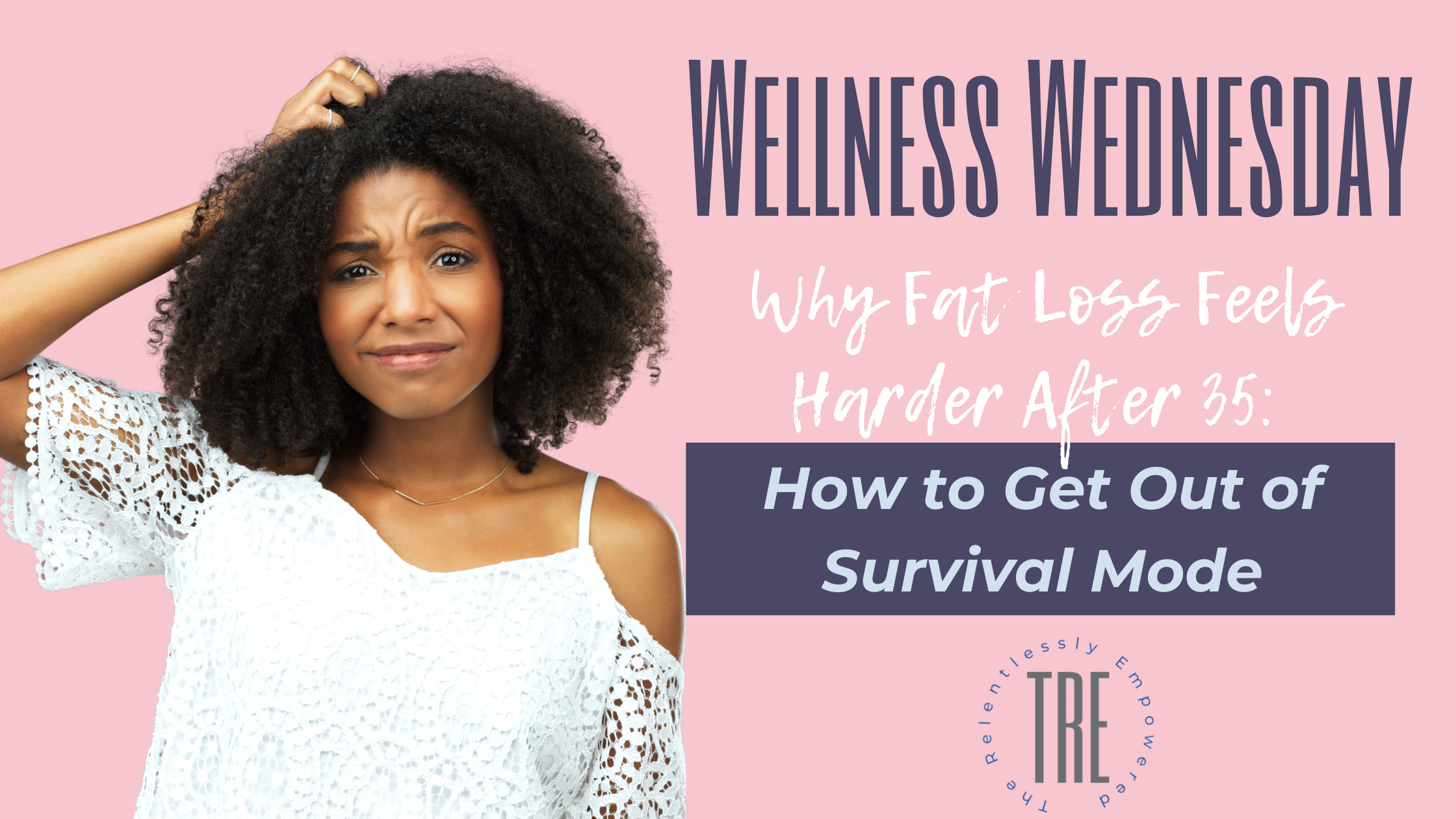
Stuck in Survival Mode? Why Your Body Is Holding Onto Weight (Especially After 35)
If you’ve been struggling to lose fat after 35, you’re not alone.
And more importantly—
You’re not failing.
You’re likely just stuck in a state your body was designed to protect you in:
Survival mode.
If you feel like you’re doing everything right—but your body isn’t responding…
This may be the missing piece:
Your body is in survival mode.
The Reality Most Women Aren’t Told
Fat loss is not just about calories.
It’s about whether your body feels safe enough to release fat.
And when your body senses stress…
It holds on.
What Triggers Survival Mode?
Many of the habits women believe will help fat loss actually trigger stress:
• Chronic emotional stress
• Under-eating or extreme calorie restriction
• Over-exercising without recovery
• Poor sleep (less than 7 hours)
• Constant rushing and overstimulation
Over time, your body adapts to this environment.
What Happens in Survival Mode
When your body is in survival mode:
• Cortisol stays elevated
• Belly fat storage increases
• Thyroid function slows
• Hunger hormones become dysregulated
• Digestion becomes less efficient
Your body is no longer focused on fat loss.
It’s focused on survival.
Why This Matters More After 35
As hormone sensitivity increases, your body becomes more reactive to stress.
That means:
What worked in your 20s may now work against you.
The Missing Piece
It’s not more discipline.
It’s not eating less.
It’s not working out harder.
It’s creating an internal environment where your body feels safe.
How to Signal Safety to Your Body
Start with these foundational habits:
1. Eat Enough
Fuel your body with adequate protein, carbs, and healthy fats.
2. Prioritize Sleep
Sleep is one of the most powerful fat loss tools available.
3. Add Recovery
Rest days and gentle movement help regulate stress.
4. Regulate Your Nervous System
Breathing, walking, sunlight, and stillness matter.
5. Release Extremes
Consistency beats perfection every time.
The Bottom Line
You can’t force fat loss in a stressed body.
But you can create an environment where your body feels safe enough to let go.
And when that happens—
Everything changes.
If you’re ready to shift from restriction to regulation…
👉 Download this month’s FREE resource.
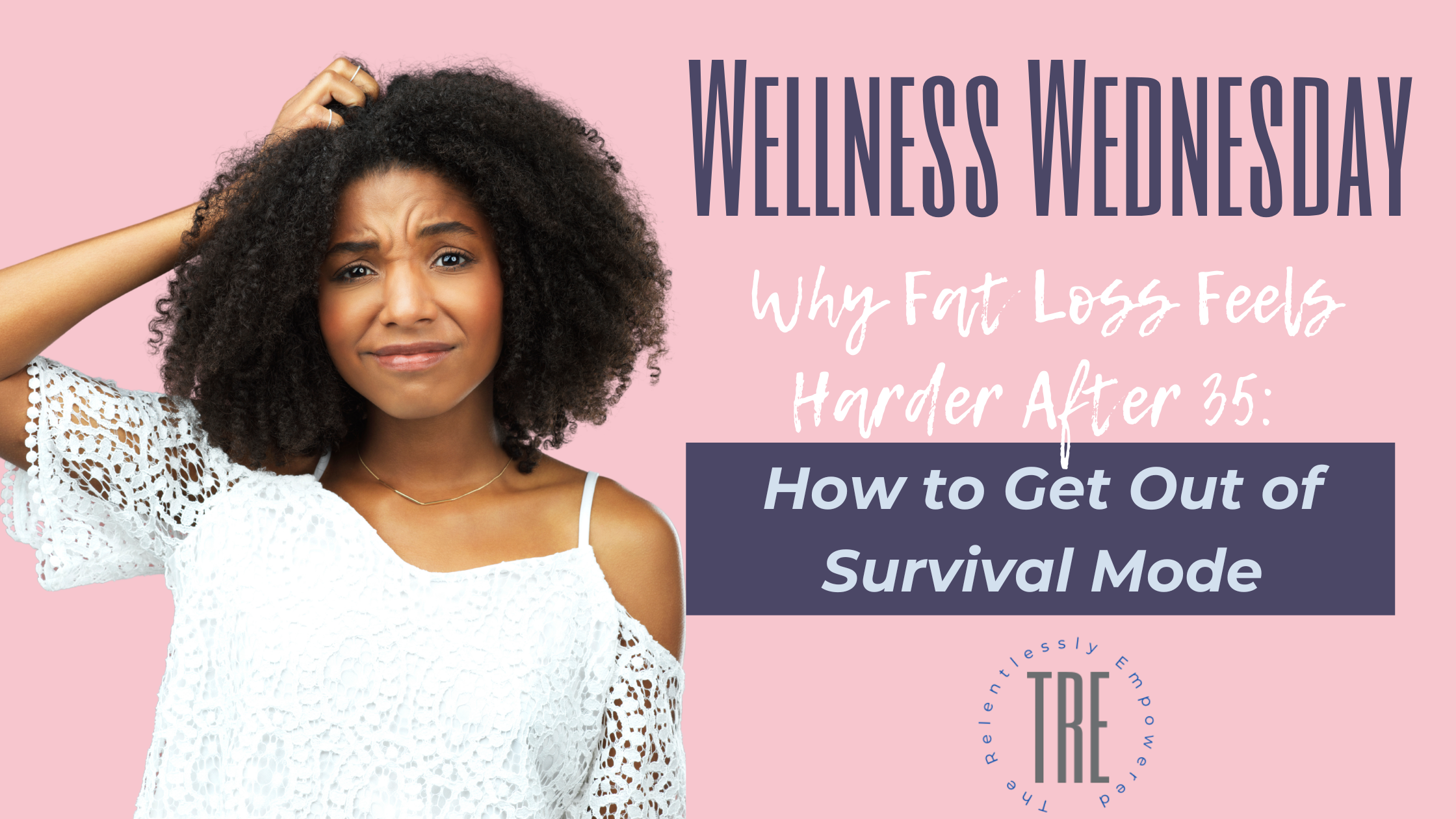
Why Fat Loss Feels Harder After 35: How to Get Out of Survival Mode
If you’ve been struggling to lose fat after 35, you’re not alone.
And more importantly—
You’re not failing.
You’re likely just stuck in a state your body was designed to protect you in:
Survival mode.
If you’ve been struggling to lose fat after 35, you’re not alone.
And more importantly—
You’re not failing.
You’re likely just stuck in a state your body was designed to protect you in:
Survival mode.
What Is Survival Mode?
Survival mode is when your body perceives ongoing stress.
This can come from:
• Overtraining
• Undereating
• Poor sleep
• Emotional stress
• Busy, high-pressure lifestyles
When this happens, your body prioritizes survival over fat loss.
What Happens in Survival Mode
When your nervous system is constantly activated:
• Cortisol increases
• Fat storage increases
• Hunger signals become dysregulated
• Energy decreases
• Recovery slows
This is why many women feel stuck despite effort.
Why This Matters After 35
Hormonal changes make your body more sensitive to stress.
This means:
What used to work (restriction, intense workouts) may now backfire.
5 Simple Ways to Signal Safety to Your Body
1. Morning Sunlight Exposure
Helps regulate your circadian rhythm and energy levels.
2. Eat Within 1–2 Hours of Waking
Signals to your body that resources are available.
3. Move Gently
Walking, stretching, and low-impact movement reduce stress.
4. Practice Box Breathing
Calms your nervous system and reduces cortisol.
5. Create a Wind-Down Routine
Improves sleep and recovery.
The Power of Consistency
You don’t need to do everything perfectly.
You need to do one thing consistently.
Because:
Consistency → Safety
Safety → Regulation
Regulation → Fat loss
The Bottom Line
Fat loss after 35 isn’t about doing more.
It’s about doing what works with your body.
And that starts with helping your body feel safe.
If you’re ready to shift your approach and finally see progress…
👉 Download this month’s FREE resource.

🧠 Wellness Wednesday: Understanding Cortisol – Friend or Foe?
You’re not “too emotional.” You’re not “too tired for no reason.” You might just be dealing with an out-of-whack cortisol curve.
Balance your stress. Fuel your body. Empower your mindset.
You’re not broken—you’re building.
When it comes to stress, we love to blame one little hormone: cortisol.
But here’s the truth—cortisol isn’t your enemy. In fact, your body needs it. So instead of trying to “cut it out,” what if we focused on balancing it?
Let’s break it down so you can stop fearing cortisol—and start managing it like a wellness boss.
💡 What Is Cortisol, Really?
Cortisol is your body’s primary stress hormone, but it also plays key roles in your survival and daily function. Think of it as your internal alarm clock, energy manager, and inflammation regulator.
Here’s what cortisol does right when it’s in balance:
Wakes you up and helps you feel alert in the morning
Regulates your blood pressure
Helps manage inflammation
Mobilizes energy for workouts or emergencies
Supports your immune response to perceived threats
👉🏽 Bottom line? Cortisol keeps you alive and functioning.
🚨 So When Does It Become a Problem?
The issue isn't cortisol itself—it's when your body keeps pumping it out all day, every day, even when there’s no real threat.
Whether it’s from:
constant deadlines
poor sleep
processed foods
overtraining
or unhealed trauma...
…chronic cortisol elevation can wreak havoc on your health.
Just like salt in cooking:
The right amount enhances the flavor of your life. But too much? It ruins the dish.
⚖️ Cortisol in Balance vs. Out of Whack
✅ When balanced:
Supports metabolism
Helps regulate inflammation
Boosts energy when needed
❌ When chronically elevated:
Disrupts sleep patterns
Promotes abdominal fat storage
Compromises immune function
It’s not about cutting cortisol out—it’s about creating a rhythm that supports your body’s natural cycles. And sis, you can absolutely do that.
🔄 How to Support Healthy Cortisol Levels (Naturally)
Here’s how to help your body regulate cortisol without extremes:
🧘🏽♀️ Practice daily mindfulness or journaling
🍽️ Fuel with anti-inflammatory meals and skip ultra-processed foods
🛌 Prioritize deep sleep and keep your bedtime consistent
🌿 Try adaptogens like ashwagandha, rhodiola, or holy basil (start with one!)
🚶🏽♀️ Move your body—but skip the overtraining
🌿 Tap Into Your Free Wellness Tools Right Here:
🎯 FREE 5-Day Relentless Mindset Challenge
Reset your mental habits. Rewire your response to stress.
🥗 FREE 3-Day Anti-Inflammatory Meal Plan
Start eating to calm inflammation, stabilize blood sugar, and support hormone balance.
👩🏽💻 Explore Our Wellness Store
Grab the full 30-Day Anti-Inflammatory Meal Plan, meal plan memberships, and mindset journals to help you stay consistent and build real resilience—from the inside out.
✨ Final Thought
You’re not “too emotional.” You’re not “too tired for no reason.” You might just be dealing with an out-of-whack cortisol curve.
Balance your stress. Fuel your body. Empower your mindset.
You’re not broken—you’re building.